How does a Customer Data Platform work?
A CDP works in three main phases: data collection, data aggregation and data activation. Each phase contributes to creating a complete customer view and improving communication.
1. Collecting data
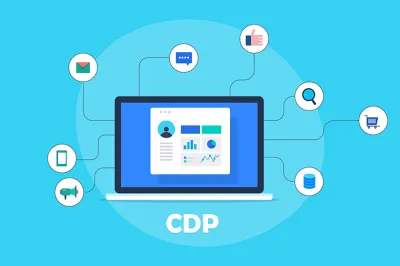
A CDP collects data from a variety of sources, such as websites, CRM systems, e mail, POS systems, mobile apps and social media. First-party data plays a particularly important role in this, as it comes directly from customers. In addition, data from partners or external parties can also be added to further enrich the customer's profile.
In this phase, it is important that all data sources are properly linked to the CDP. Consider also an ERP (enterprise resource planning) system, which often contains valuable information about orders, inventory or invoicing. By integrating these types of systems andunlock data, creates a complete and reliable customer view.
The three main types of data are:
First party data: Data collected directly from customers, such as through purchases, newsletter subscriptions or website visits. This information often includes identity data (such as name, e mail address and age) and behavioral data (such as products viewed or shopping baskets).
Second party data: Data from trusted partners, such as suppliers or collaborating brands. This often involves carefully shared first-party data, for example interaction data such as social media behavior, click behavior or response to joint campaigns.
Third party data: Data that comes from external platforms or data agencies, usually collected through cookies or other tracking methods. This information provides insight into broader audience characteristics, such as interests, online behavior or brand preferences.
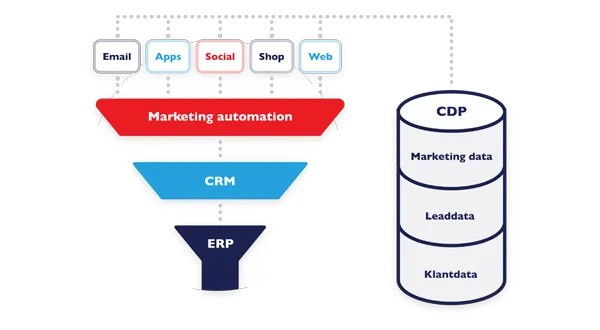
2. Data merging
After collecting data, the CDP combines all data sources into one central system. In the process, different data points are linked together so that information from diverse channels comes together in one clear customer view.
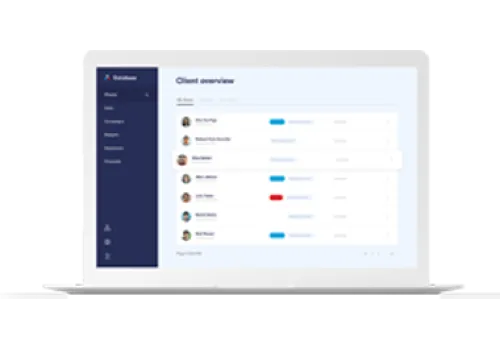
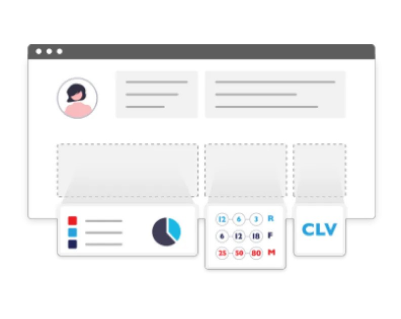
This creates a360 degree customer profile: a complete and up-to-date overview of each customer, bringing together all interactions and preferences. As someone progresses through the customer journey, this profile is automatically enriched with new data, such as additional purchases or changing interests. The result is a dynamic customer view that forms the basis for segmentation, analysis and personalization, so that marketing teams are always working with up-to-date and relevant information.
3. Activate data
In the final phase, the collected data are transformed into action. The profiles from the CDP are used to build customer segments, personalize campaigns and generate insights.
A Customer Data Platform interfaces directly with marketing tools, advertising platforms, email software andmarketing automation systems. Thus, data is not only stored but also actively used. Thus, companies can feed automated campaigns with up-to-date customer information, communicate in a targeted manner with different target groups and continuously improve the effectiveness of their marketing.